Sewage cleanup equipment list: feces and Category 3 water
As an Amazon Associate, Biohazard Network earns from qualifying purchases.
Sewage and feces bring germs into a home. In the restoration trade, sewage is called Category 3 water, the dirtiest kind. Get the water out, remove what can’t be saved, dry what is left, then clean and disinfect.
Every card here comes from our gear page and links to our pick on Amazon.
The whole kit in one cart
Add this kit to your Amazon cart (1 of 2) (opens in a new tab)Add this kit to your Amazon cart (2 of 2) (opens in a new tab)One of each main pick (38 items, in 2 parts), no backups. Amazon asks you to confirm each part.
Safety first
- Keep children and pets out of the area until the cleanup is done. Health departments give this advice; rules and advice vary by state. For example, in Washington, see the Department of Health (opens in a new tab) guide to sewage spills.
- Wear rubber gloves and boots. Afterward, wash your hands well and wash work clothes on their own.
- Clean hard surfaces with hot water and detergent, then rinse with a bleach solution, mixed the way your state or local health department says.
- Carpet that stays should be steam cleaned and disinfected.
Gear for this job
-
Most needed
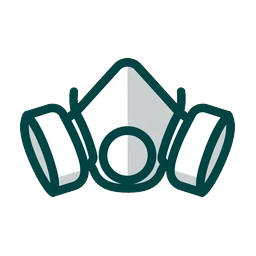
Half-face respirator
3M 6200
Also good: 3M Rugged Comfort: 3M Rugged Comfort Quick Latch half facepiece respirator (opens in a new tab)
A reusable mask that takes cartridges.
Each worker needs a fit test and a medical check first.
View on Amazon: 3M 6200 half facepiece respirator, medium (opens in a new tab)
-
Most needed
Respirator cartridges
3M 60926
Filters that clip onto the mask.
Match the cartridge to the job.
View on Amazon: 3M 60926 multi-gas and vapor cartridge with P100 filter, 1 pair (opens in a new tab)
-
Most needed

Disposable coveralls
DuPont Tyvek 400
Also good: Andes coverall: Andes disposable protective coverall with hood (opens in a new tab)
A one-time suit with a hood and boots.
For wet jobs, pick a suit made to block liquids.
View on Amazon: DuPont Tyvek 400 coverall with hood and boots (opens in a new tab)
-
Most needed

Heavy-duty nitrile gloves
Gloveworks HD
Also good: Inspire HD nitrile: Inspire heavy-duty orange nitrile gloves, 8 mil (opens in a new tab)
Thick 8 mil gloves.
Many crews wear two pairs and change the outer pair often.
View on Amazon: Gloveworks HD orange nitrile gloves, 8 mil (opens in a new tab)
-
Reorder often
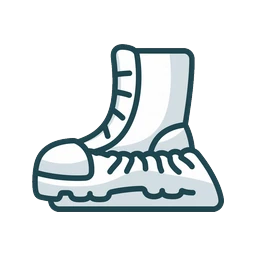
Waterproof boot covers
ZMDREAM boot covers
Also good: Buself shoe covers: Buself heavy-duty waterproof shoe covers, extra large (opens in a new tab)
Keep shoes clean and keep the mess from leaving the room.
View on Amazon: ZMDREAM knee-high waterproof boot covers, 6 pairs (opens in a new tab)
-
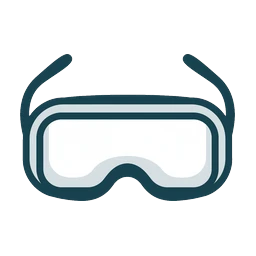
Splash goggles
Uvex Stealth
Also good: Uvex Stealth, teal: Uvex Stealth anti-fog safety goggles, teal (opens in a new tab)
Sealed, anti-fog goggles that keep splashes out of the eyes.
View on Amazon: Uvex Stealth anti-fog safety goggles (opens in a new tab)
-
Face shield
NoCry face shield
A clear shield for the whole face.
Wear it with goggles, not instead of them.
View on Amazon: NoCry anti-fog safety face shield (opens in a new tab)
-
Submersible pump
AQUASTRONG 1 HP
Pumps standing water out of basements and crawl spaces.
View on Amazon: AQUASTRONG 1 HP submersible pump, 4500 GPH (opens in a new tab)
-
Stand-on extraction tool
Dri-Eaz F511
Also good: Water Claw Flash Xtractor II: Water Claw Flash Xtractor II extraction tool (opens in a new tab)
Stand on it to pull water out of carpet and pad.
Hooks to your extractor.
View on Amazon: Dri-Eaz F511 flood extraction tool (opens in a new tab)
-
Drying package, small jobs
MOUNTO package, small
A whole drying setup in one order, sized for small jobs.
-
Drying package, mid-size jobs
MOUNTO package, mid-size
A whole drying setup in one order, sized for mid-size jobs.
-
Drying package, large jobs
MOUNTO package, large
A whole drying setup in one order, sized for large jobs.
-
Pro pick
LGR dehumidifier
ALORAIR 180 PPD
Also good: MOUNTO 180 pint: MOUNTO 180 pint LGR commercial dehumidifier with pump (opens in a new tab)
Pulls water out of the air, so wet walls and floors dry faster.
View on Amazon: ALORAIR 180 PPD commercial LGR dehumidifier with pump (opens in a new tab)
-
Pro pick
Desiccant dehumidifier
Ecor Pro 50 pint
Dries the air in cold spaces, where an LGR unit slows down.
View on Amazon: Ecor Pro 50 pint commercial desiccant dehumidifier (opens in a new tab)
-
Pro pick

Floor and ceiling drying system
Injectidry HP60 Plus
Dries wood floors and ceilings by pulling air through panels and hoses.
View on Amazon: Injectidry HP60 Plus floor drying system package (opens in a new tab)
-
Moisture meter
General Tools MMD950
Tells you how wet walls, floors and wood are, so you know when they are dry.
View on Amazon: General Tools MMD950 pin and pinless moisture meter (opens in a new tab)
-
Thermo-hygrometer
Testo 605i
Measures the air’s temperature and humidity, so you can track drying.
View on Amazon: Testo 605i thermohygrometer (opens in a new tab)
-
Pro pick
Thermal camera
FLIR E6 Pro
Also good: FLIR E5 Pro: FLIR E5 Pro thermal imaging camera (opens in a new tab)
Shows hidden wet spots and leaks as cooler areas on the screen.
Check them with a moisture meter.
View on Amazon: FLIR E6 Pro thermal imaging camera (opens in a new tab)
-
Pro pick
HEPA air scrubber
BlueDri Air Shield 550
Also good: AlorAir CleanShield 550: AlorAir CleanShield HEPA 550 air scrubber (opens in a new tab)
Pulls dust and odor particles out of the air while you work.
View on Amazon: BlueDri Air Shield 550 HEPA air scrubber (BD-AS-550) (opens in a new tab)
-
Pump sprayer
Smith 1 gal sprayer
Also good: PetraTools HD101: PetraTools HD101 pump sprayer, 1 gal (opens in a new tab)
Puts cleaner and disinfectant where you need it.
View on Amazon: Smith multi-use pump sprayer, 1 gal (opens in a new tab)
-
Pro pick
Electrostatic sprayer
Victory VP300ES
A charged spray that wraps around surfaces for an even coat of disinfectant.
Follow the label.
-
Steam cleaner
Dupray Tosca
Hot steam cleans hard surfaces and grout with little or no chemicals.
View on Amazon: Dupray Tosca commercial steam cleaner (opens in a new tab)
-
Most needed
Red biohazard bags
Oakridge 25 gal
Also good: Daarcin red bags: Daarcin red biohazard waste bags, 100 count (opens in a new tab)
Bag waste that has blood or body fluids on it.
View on Amazon: Oakridge biohazard bags, 25 gal, 50 bags (opens in a new tab)
-
Plastic sheeting, 6 mil
Film-Gard 6 mil
Also good: Film-Gard 6 mil, clear: Film-Gard clear 6 mil plastic sheeting, 10 x 100 ft (opens in a new tab)
Builds the temporary walls and covers floors.
View on Amazon: Film-Gard 6 mil plastic sheeting, 10 x 100 ft (opens in a new tab)
-

Zipper doors
ZipWall zippers
Also good: ZipWall ZDC ZipDoor: ZipWall ZDC commercial ZipDoor kit (opens in a new tab)
Peel-and-stick zippers that make a door in the plastic wall.
View on Amazon: ZipWall heavy-duty zippers, 2-pack (opens in a new tab)
-
Reorder often
Poly seam tape
TapeManBlue 4 inch
Also good: FrogTape DS 154: FrogTape DS 154 double-sided poly-hanging tape (opens in a new tab)
Seals the seams and edges of the plastic.
View on Amazon: TapeManBlue 4 inch poly seam tape, 180 ft (opens in a new tab)
Taking out drywall, flooring or subfloor? See the Walls, Ceilings & Floor Removal kit. Its main picks are in this kit’s cart button.
Finish with ATP clearance testing
Before you call the job done, swab the surfaces you cleaned and read them on an ATP meter. A low reading backs up what you see. It does not test for any one germ, so follow the meter maker’s steps.
-
Pro pick
ATP meter
Hygiena EnSURE Touch system
Also good: Hygiena EnSURE Touch handheld: Hygiena EnSURE Touch handheld ATP luminometer (opens in a new tab)
Reads a swab from a cleaned surface.
A low number means little organic residue is left.
View on Amazon: Hygiena EnSURE Touch ATP monitoring system (opens in a new tab)
-
Reorder often
ATP swabs
Hygiena UltraSnap
Single-use surface swabs that read on the EnSURE Touch, 100 tests in a box.
Check the expiration date when swabs arrive.
View on Amazon: Hygiena UltraSnap surface ATP test swabs, 100 tests (opens in a new tab)
Sources
- Sewage Spills: Cleaning Them Up (opens in a new tab) · Washington State Department of Health
These lists are general know-how, not legal or safety advice. Rules change, so check the sources.
As an Amazon Associate, Biohazard Network earns from qualifying purchases.